
The Power Behind the Scenes: Understanding Hydraulic Motors

Image Source: unsplash
The Power Behind the Scenes: Understanding Hydraulic Motors
When it comes to heavy machinery and industrial applications, the unsung hero often goes unnoticed—the hydraulic motor. These devices are at the heart of many operations, transforming fluid power into mechanical energy. Buckle up, because we're diving into the world of hydraulic motors!
What Exactly Is a Hydraulic Motor?
In simple terms, a hydraulic motor is a device that converts hydraulic energy into rotary motion. It's like magic, but with science! These motors utilize pressurized fluid to create movement, making them essential in various machinery, from construction equipment to manufacturing tools.
How Do Hydraulic Motors Work?
Here's where things get interesting! Hydraulic motors operate by using high-pressure fluid to push against internal components, causing them to rotate. This rotation can power anything from a conveyor belt to a giant excavator. Think of it as a well-oiled machine (literally!) that keeps industries running smoothly.
Types of Hydraulic Motors
There are several types of hydraulic motors, each with its unique features:
- Gear Motors: These are simple and reliable, using gears to convert fluid power into mechanical energy.
- Piston Motors: Known for their efficiency, piston motors utilize a series of pistons to generate torque.
- Vane Motors: These motors use sliding vanes to create movement and are often found in mobile equipment.
Applications Across Industries
From agriculture to aerospace, hydraulic motors are everywhere! Here are just a few examples of where they shine:
- Construction: Hydraulic motors power cranes, excavators, and bulldozers, making construction sites buzz with activity.
- Manufacturing: In factories, hydraulic motors drive conveyor belts and robotic arms, enhancing productivity.
- Aerospace: Hydraulic systems in aircraft rely on these motors for various functions, ensuring safety and efficiency.
Why Choose Hydraulic Motors?
You might be wondering, "Why not just use electric motors?" Well, hydraulic motors have some distinct advantages:
- Power-to-Weight Ratio: They provide a high power output relative to their size, making them ideal for compact applications.
- Torque Control: Hydraulic motors excel in applications requiring high torque at low speeds.
- Durability: They are built to withstand harsh conditions, ensuring longevity in demanding environments.
Maintenance Tips for Hydraulic Motors
Like any machine, hydraulic motors need a little TLC to keep them running smoothly. Here are some maintenance tips:
- Regular Inspections: Check for leaks or unusual noises that could indicate an issue.
- Fluid Quality: Use the right hydraulic fluid and monitor its condition regularly.
- Clean Components: Keep the motor and surrounding area clean to prevent contamination.
The Future of Hydraulic Motors
As technology advances, so do hydraulic motors. Innovations in materials and design are leading to more efficient and powerful options. With the push for automation and smart technology in industries, hydraulic motors will continue to play a pivotal role in shaping the future of machinery.
In Conclusion
Hydraulic motors may not steal the spotlight, but they are undoubtedly a backbone of modern machinery. Understanding their function and application can empower industries to make informed choices. So next time you see a piece of heavy equipment in action, remember the powerful hydraulic motor working tirelessly behind the scenes!
Return to List
11/12
2021
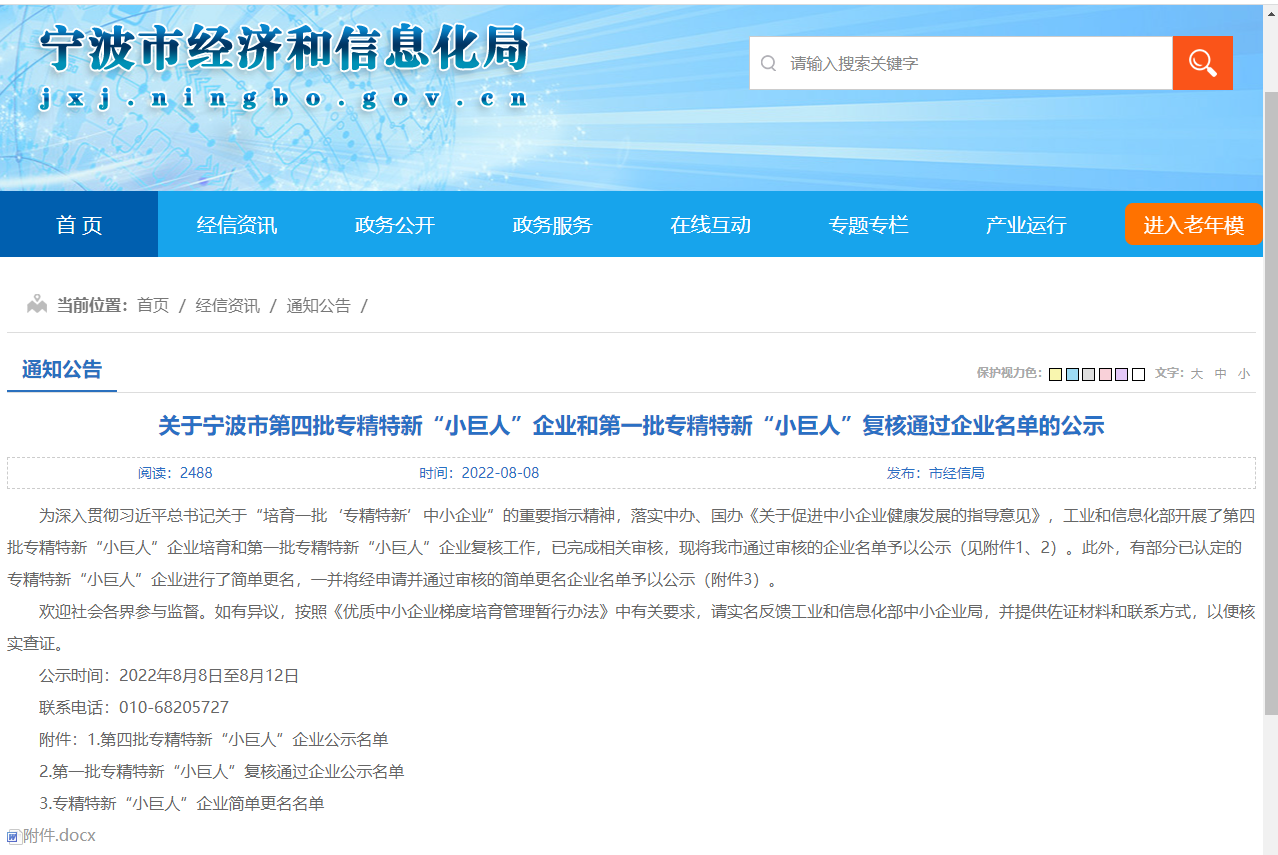
On the evening of August 8, the Ningbo Municipal Economic and Information Bureau was entrusted by the Ministry of Economy and Information Technology to issue the "About the Fourth Batch of Specialized
07/28
2022
Ningbo Vice Mayor Jin Shan visited Yining hydraulic research
On the afternoon of August 23rd, Vice Mayor Jin Shan led a team to conduct on-site research on standardization innovation in Yining Hydraulic. Yan Weiguo, Deputy Secretary General of the Municipal Government, Li Guohong, Director and Party Secretary of the Municipal Market Supervision Bureau, and relevant leaders from the Municipal Bureau of Economy and Information Technology, the Municipal Bureau of Science and Technology, and Beilun District accompanied the research.

REQUIRE CATALOGUE
Require latest catalogue to know INI full product range.

288 Batou West Road, Beilun District, Ningbo City, Zhejiang Province, China