
Unleashing the Power of Hydraulic Wheel Motors in Modern Machinery

Image Source: unsplash
Introduction to Hydraulic Wheel Motors
Have you ever wondered how heavy machinery moves with such ease and precision? Well, let me tell you, hydraulic wheel motors are the unsung heroes behind that seamless operation! These devices are not just parts; they're powerhouses that drive the performance of countless vehicles and equipment.
What is a Hydraulic Wheel Motor?
A hydraulic wheel motor is a type of hydraulic actuator that converts hydraulic energy into mechanical energy. Think of it as the heart of a machine, pumping life into its wheels. It works by using pressurized fluid to create rotational motion, allowing for impressive torque and speed. Talk about a game-changer!
How Do They Work?
Alright, let's break it down. When hydraulic fluid enters the motor, it pushes against a series of pistons or gears, causing them to rotate. This rotation then drives the wheels of the machinery. It's like a well-orchestrated dance—fluid dynamics meets mechanical engineering! And the best part? They can deliver high power in a compact design, making them ideal for tight spaces.
Applications Everywhere!
From agricultural equipment to construction vehicles, hydraulic wheel motors are everywhere! You'll find them in:
- Forklifts
- Excavators
- Wheel loaders
- Even in some electric vehicles!
Each of these applications leverages the unique benefits of hydraulic systems, providing superior control and efficiency. In fact, many industries are shifting towards hydraulic solutions because they offer reliability and power that electric motors simply can't match in certain scenarios.
The Advantages of Hydraulic Wheel Motors
Let's face it, everything has its pros and cons, but hydraulic wheel motors come with a laundry list of advantages:
- High Torque: They provide a lot of force without needing a massive engine.
- Compact Size: Perfect for applications where space is at a premium.
- Durability: Built to withstand harsh conditions and heavy loads.
- Energy Efficiency: They use less energy compared to traditional electric systems.
And let's not forget the ease of maintenance. A well-maintained hydraulic system can last for years, making it a cost-effective choice for many businesses.
Challenges to Consider
Of course, it's not all sunshine and rainbows. Hydraulic wheel motors do have their quirks. For instance, they require a hydraulic fluid that must be regularly checked and changed. Leakage can be an issue, and the systems can be a bit more complex to install compared to other motor types. But hey, every rose has its thorn, right?
Future Trends
As technology advances, the future of hydraulic wheel motors looks bright. Innovations are focusing on making these systems even more efficient and environmentally friendly. With the rise of automation and smart technology, we can expect to see hydraulic systems integrated with IoT capabilities, allowing for real-time monitoring and optimization. Exciting times ahead!
Conclusion
In the world of machinery, hydraulic wheel motors are a vital component that blends power, efficiency, and versatility. Whether in construction, agriculture, or beyond, these motors are revolutionizing how we think about movement and control. So, the next time you see a piece of heavy machinery in action, remember the hydraulic wheel motor working tirelessly behind the scenes!
Return to List
11/12
2021
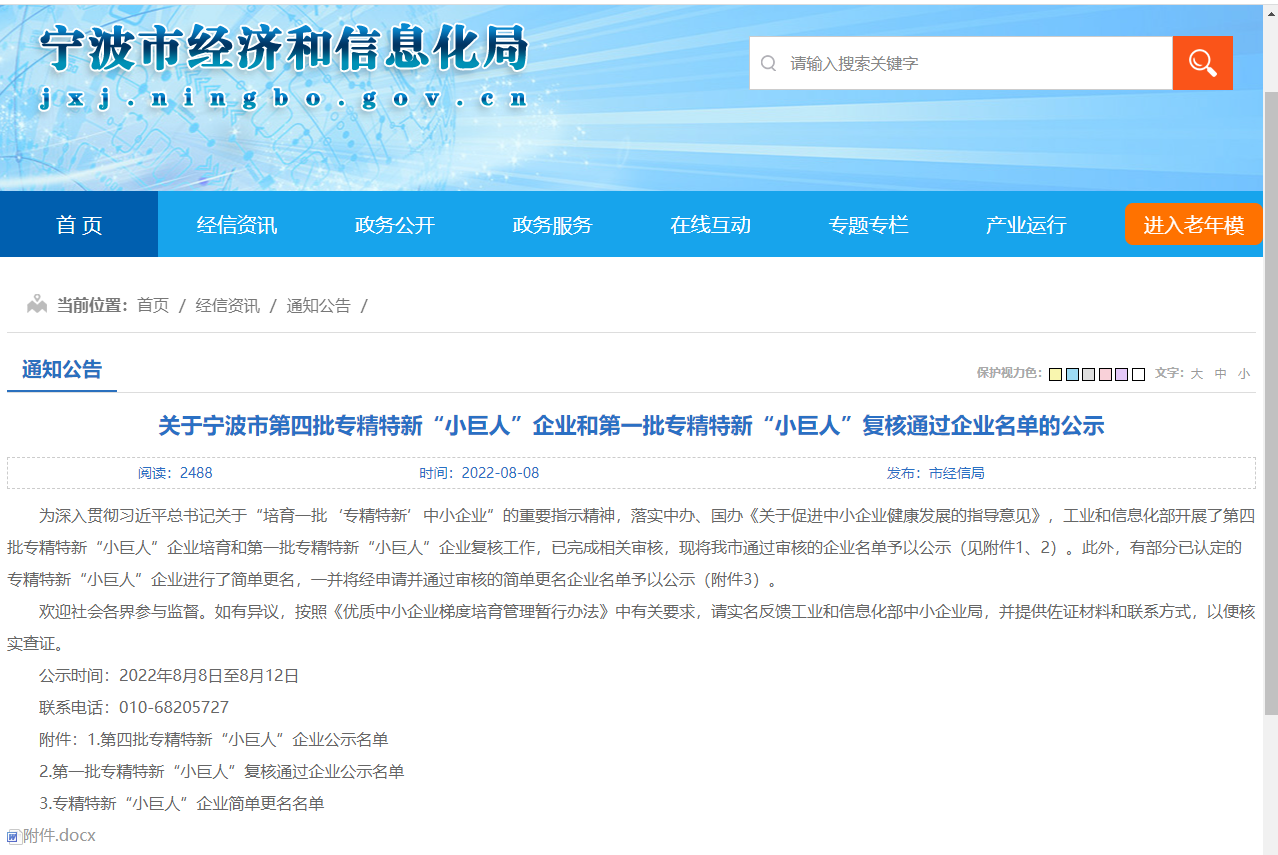
On the evening of August 8, the Ningbo Municipal Economic and Information Bureau was entrusted by the Ministry of Economy and Information Technology to issue the "About the Fourth Batch of Specialized
07/28
2022
Ningbo Vice Mayor Jin Shan visited Yining hydraulic research
On the afternoon of August 23rd, Vice Mayor Jin Shan led a team to conduct on-site research on standardization innovation in Yining Hydraulic. Yan Weiguo, Deputy Secretary General of the Municipal Government, Li Guohong, Director and Party Secretary of the Municipal Market Supervision Bureau, and relevant leaders from the Municipal Bureau of Economy and Information Technology, the Municipal Bureau of Science and Technology, and Beilun District accompanied the research.

REQUIRE CATALOGUE
Require latest catalogue to know INI full product range.

288 Batou West Road, Beilun District, Ningbo City, Zhejiang Province, China